Build a Better Avocado Toast With Acid, Crunch, and Greens
It seems like avocado toast should get better the more rich things you pile onto it, but the version you remember from a great café usually tastes better because it cuts that richness instead. The real upgrade is not more avocado or more extras. It is acid, crunch, and a little freshness, which keep each bite bright instead of heavy.
Önemli noktaları göster
- Avocado toast tastes better when richness is balanced with acid, crunch, freshness, and optional heat.
- Homemade avocado toast often feels dull because avocado and lightly toasted bread are both soft and low in contrast.
- A squeeze of lemon or acidic tomatoes brightens avocado and prevents the toast from tasting flat.
-
- Crunchy toppings like thinly sliced radish refresh the texture and make each bite feel lively.
- Greens such as arugula, watercress, or herbs add freshness and slight bitterness that cuts through the richness.
- Adding more rich toppings like cheese, egg, seeds, or oil only works if something still sharpens the overall bite.
- A simple, reliable version uses crisp toast, avocado, salt, lemon, and one crisp topping like radish or tomatoes.
That idea shows up in good cooking advice again and again. J. Kenji López-Alt has written for Serious Eats about balance as the thing that keeps fatty foods from feeling monotonous, and avocado is a fatty food in the nicest sense: creamy, mild, and ready for contrast. Toast gives structure, but not enough contrast on its own. If your homemade version tastes rich for two bites and dull by the third, you probably do not need more toppings. You need sharper ones.
Why your toast tastes heavy by bite three
Avocado is soft, buttery, and low-acid. Bread, especially when it is only lightly toasted, can lean soft and warm too. Put them together without anything else doing real work, and the whole bite starts to blur.
That is why café avocado toast often tastes more alive than the version made at home with perfectly good ingredients. The best bites are built around contrast. Rich base, then something bright, something crisp, something fresh, maybe something hot.
Start with lemon. A squeeze over the avocado does more than add a citrus note. Acid wakes up mild fat, makes the avocado taste greener and cleaner, and keeps the bite from feeling flat. If you prefer tomatoes, especially chopped or halved cherry tomatoes with a pinch of salt, they do a similar job because their acidity cuts the creaminess instead of blending into it.
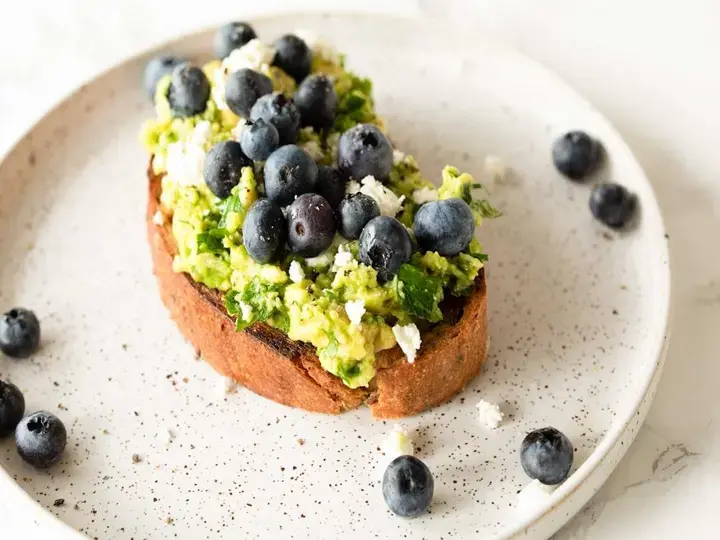
Then bring in crunch. Avocado and toast alone can turn texturally sleepy, even when the bread is decent. A thin radish slice changes that the second you bite down: first soft avocado, then the sharp, clean snap of the radish. That little crackle is not decoration. It resets your mouth so the next bite tastes fresh again.
Greens matter for the same reason. A small handful of arugula, watercress, or tender herbs adds freshness and a slight bitterness, and bitterness is useful here because it pushes back against the avocado’s richness. MUJI-style simplicity gets this exactly right: if an ingredient is there, it should change the experience. Greens lift the whole toast instead of just making it look fuller.
Heat is optional, but it earns its spot when used lightly. A pinch of chili flakes or a few thin slices of fresh chili sharpens the edges of the bite. Not because avocado toast needs drama, but because a touch of heat keeps the richness from settling into sameness.
Have you ever taken a bite of avocado toast that looked perfect and still tasted flat? That was not a styling problem. It was missing contrast.
The small flavor turn that makes it taste like brunch out
This is the shift worth keeping: avocado toast is not a richness problem solved by adding more rich things. It is a contrast problem solved by acid, texture, and slight bitterness. Once you see that, topping choices get easier fast.
Picture one ideal bite. The toast is crisp enough to resist a little. The avocado lands first, smooth and mellow, then lemon brightens it almost immediately. A radish slice snaps cleanly through the softness, and the greens arrive at the end with a peppery, faintly bitter finish that makes you want another bite instead of feeling done after one.
That sequence is why the memorable café version sticks in your head. The flavors do not arrive all at once in one creamy blur. They take turns.
More toppings are not always the answer
It is easy to assume the best avocado toast is the most loaded one: extra cheese, an egg, more seeds, more oil, more everything. Sometimes that works, but only if something on the toast is still cutting through the richness. Without that, luxury just turns muddy.
There is also a simple limit worth saying out loud. Not everyone wants greens. Not everyone wants chili. That is fine. But almost everyone benefits from at least one acidic element and one crisp element, because those are the two things that keep the bite from collapsing into softness and fat.
If you want the simplest reliable build, make good toast, smash or slice the avocado lightly, add salt, squeeze lemon, then finish with radish or tomatoes. Add greens if you like the fresh lift. Add chili if you want a little edge. Each part has a job, and that is why the whole thing tastes finished.
The easiest way to make your next slice taste café-good
The avocado toast you remember was probably not memorable because it was piled high. It stayed with you because every bite stayed bright. That is a much more useful thing to recreate at home.
This weekend, before you add anything richer, add lemon and one crisp topping. That one move will get you closer to the café version than another half avocado ever will.
Once you taste that brighter, cleaner bite, brunch at home starts feeling less like a project and more like something you can actually pull off well.