Wind Turbines vs Fossil Fuels: The Path to a Greener Future
You might not oppose the shift to greener energy, but like many, you're likely concerned about rising electricity bills and the reliability of your power supply. Especially when your child comes home talking about climate change and the importance of renewable energy.
Önemli noktaları göster
- Renewable energy like wind and solar has become cheaper to develop, but existing infrastructure costs remain in electricity bills.
- Amanda's switch to time-of-use pricing and smart thermostats improved energy resilience and cost control.
- Intermittency in renewables can be managed through predictive technology, storage, and grid management.
-
- Fossil fuels have hidden costs, including health impacts from pollution linked to respiratory issues.
- Communities near new wind farms enjoy increased tax revenue and job opportunities compared to coal plant areas.
- You can influence your energy costs and stability by choosing green energy suppliers and optimizing home energy use.
- Assess local factors like wind potential and state energy policies to make informed decisions for your family.
Interestingly, according to the International Renewable Energy Agency (IRENA), the cost of wind energy has decreased by nearly 70% since 2010. This is reassuring considering the volatility of fossil fuel prices. Yet, this doesn't immediately translate to cheaper power for your home.
Take Amanda from Ohio. Last year, she noticed her electricity bill climbing, especially after a summer storm led to a brief power outage. Concerned about future costs and reliability, she started exploring energy sources beyond her local grid's dependence on natural gas.
The Real Cost: Comparing Apples and Apples
When it comes to energy costs, it’s essential to compare new projects with new projects. The Levelized Cost of Energy (LCOE) gives an estimate of how much it costs to build a new power plant and generate electricity. Recent trends show that wind and solar are among the cheapest to develop. But that doesn’t remove the costs of the existing infrastructure, which continues to be something households pay for in their bills.
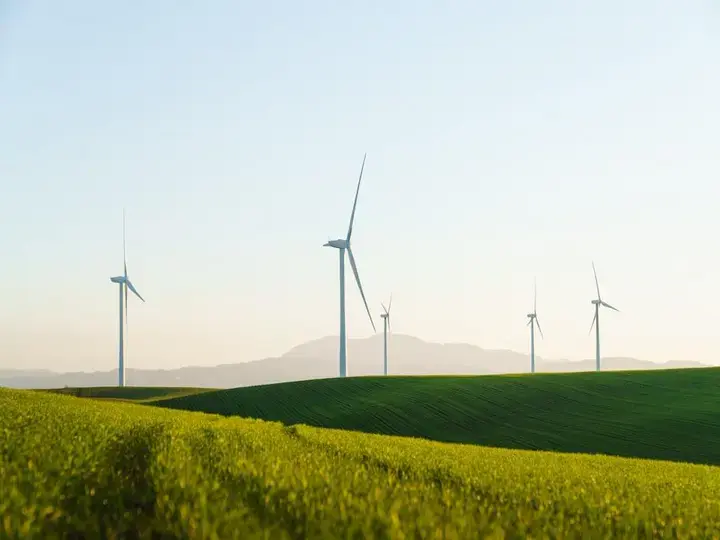
Consider two states reacting to natural gas price spikes: one reliant on gas and the other with a significant portion of wind power. The gas-dependent state saw a marked increase in consumer bills, whereas the wind-powered state maintained more stable rates.
Reliability: Beyond "The Wind Stops Blowing"
A common concern with wind energy is its intermittency. However, grid reliability depends not on one single energy source being perpetually available, but on a mix of predictive technology, storage solutions, and grid management. In many instances, outages are more often caused by extreme weather affecting transmission systems, not power generation failures.
Amanda made a simple switch: she enrolled in a time-of-use pricing plan and installed a smart thermostat. These small changes gave her more control during peak demand times, providing resilience during outages.
Understanding Hidden Costs
Fossil fuels come with hidden costs, like health impacts from air pollution. The Environmental Protection Agency links coal and gas emissions to respiratory issues, which indirectly affect household spending. Wind energy, while not without its own challenges such as noise and landscape impact, presents fewer health risks.
Let’s compare a community near a coal plant and one with a new wind farm. The coal community faces higher healthcare costs and fewer clean recreational spaces compared to increased local tax revenue and job opportunities in the wind-powered area.
Choosing the Right Path for Your Family
Here's a simple decision framework:
1. Identify what you value most: lower bills, stability, health, local economic benefits.
2. Consider local factors: wind potential, transmission capacity, state energy policies.
3. Understand your sphere of influence: from efficiency habits at home to engaging in public utility discussions.
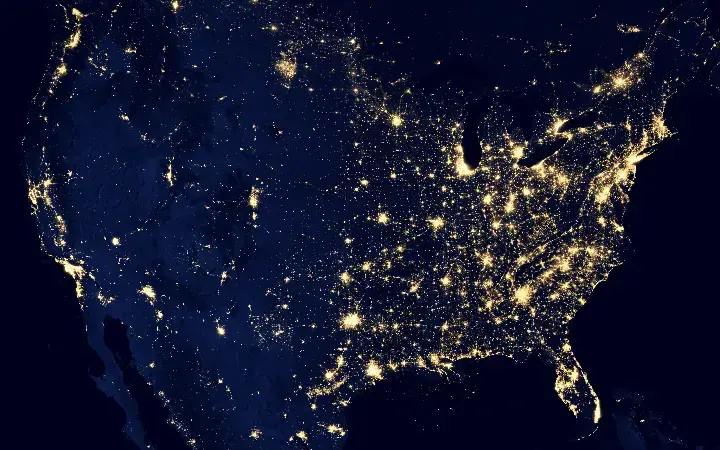
Bear in mind, wind energy may not suit every location, and local transmission constraints can add complexity. Check with your state’s utility commission for more localized information.
Ultimately, you don’t need to be an energy expert to make informed decisions. Start simple: review your bill for any "fuel adjustment charges"—this often highlights fossil fuel volatility. Investigate if you can opt for a "green" energy supplier or switch to a time-of-use plan. Also, consider optimizing the energy use of your home's biggest power consumer, be it HVAC systems or water heaters, which can lead to savings.
From your bill to a single thoughtful choice, you have the power to steer your future towards a more stable, affordable, and cleaner direction.